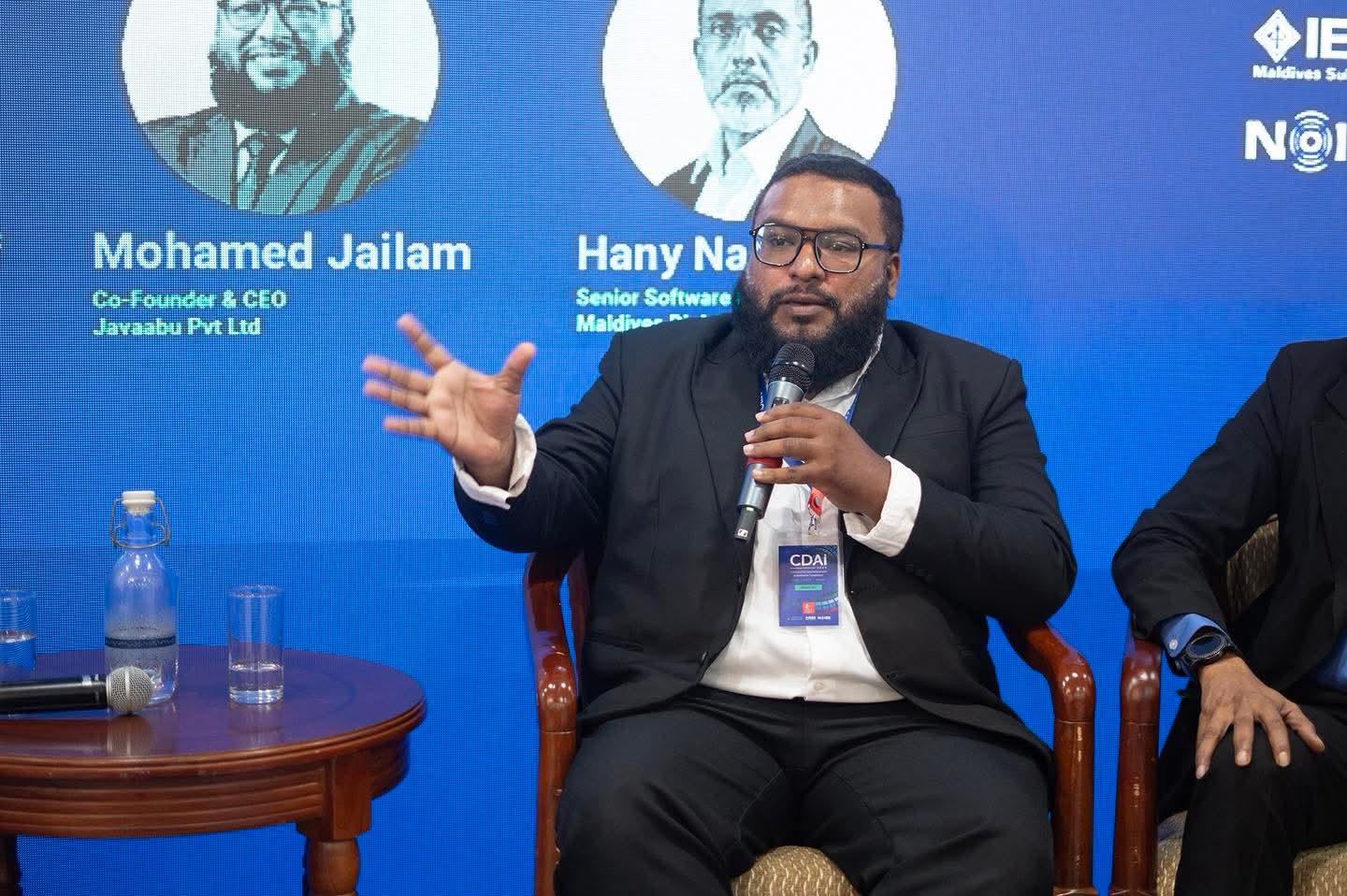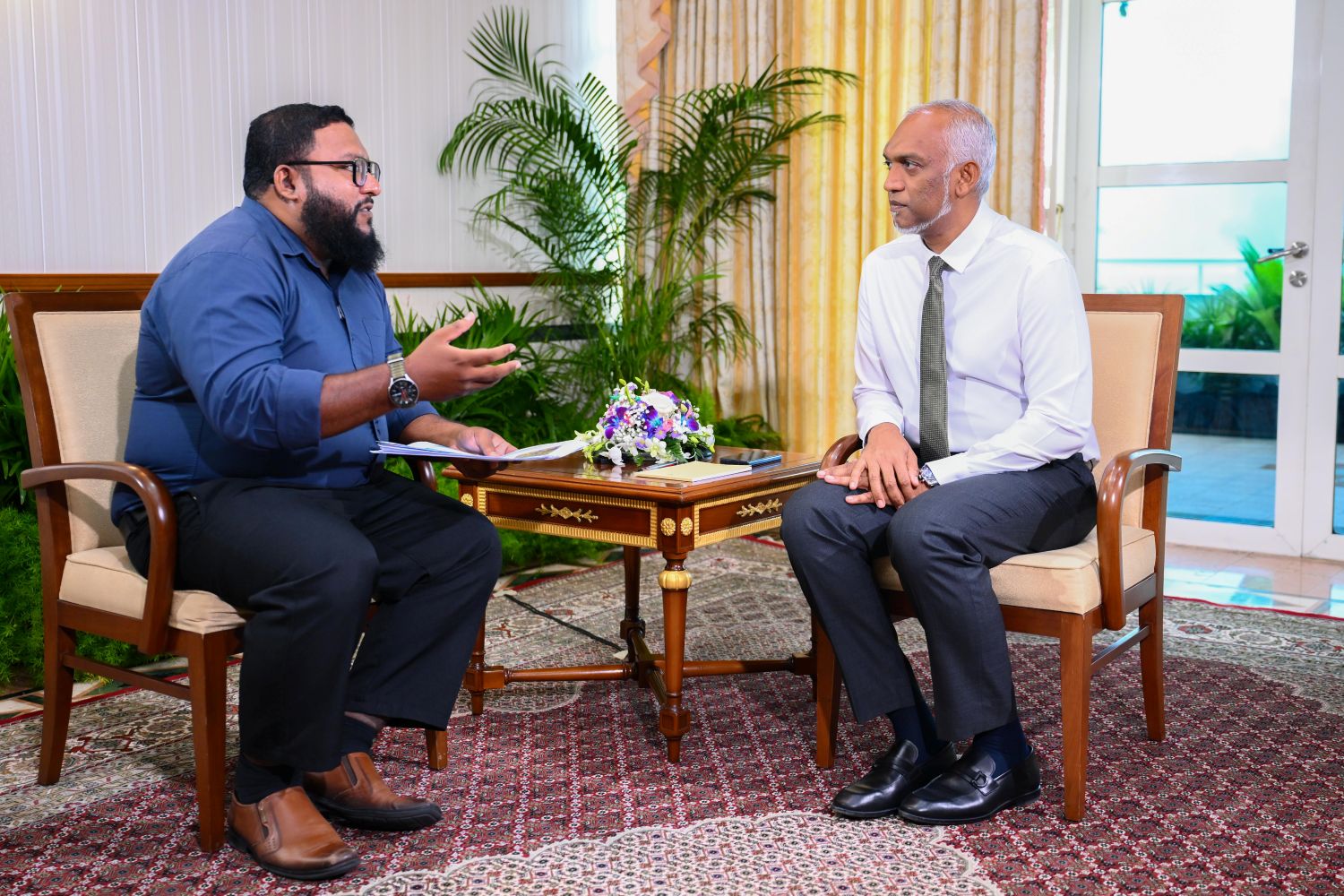
Javaabu CEO Mohamed Jailam Raises Technology SME Challenges with President Dr. Mohamed Muizzu
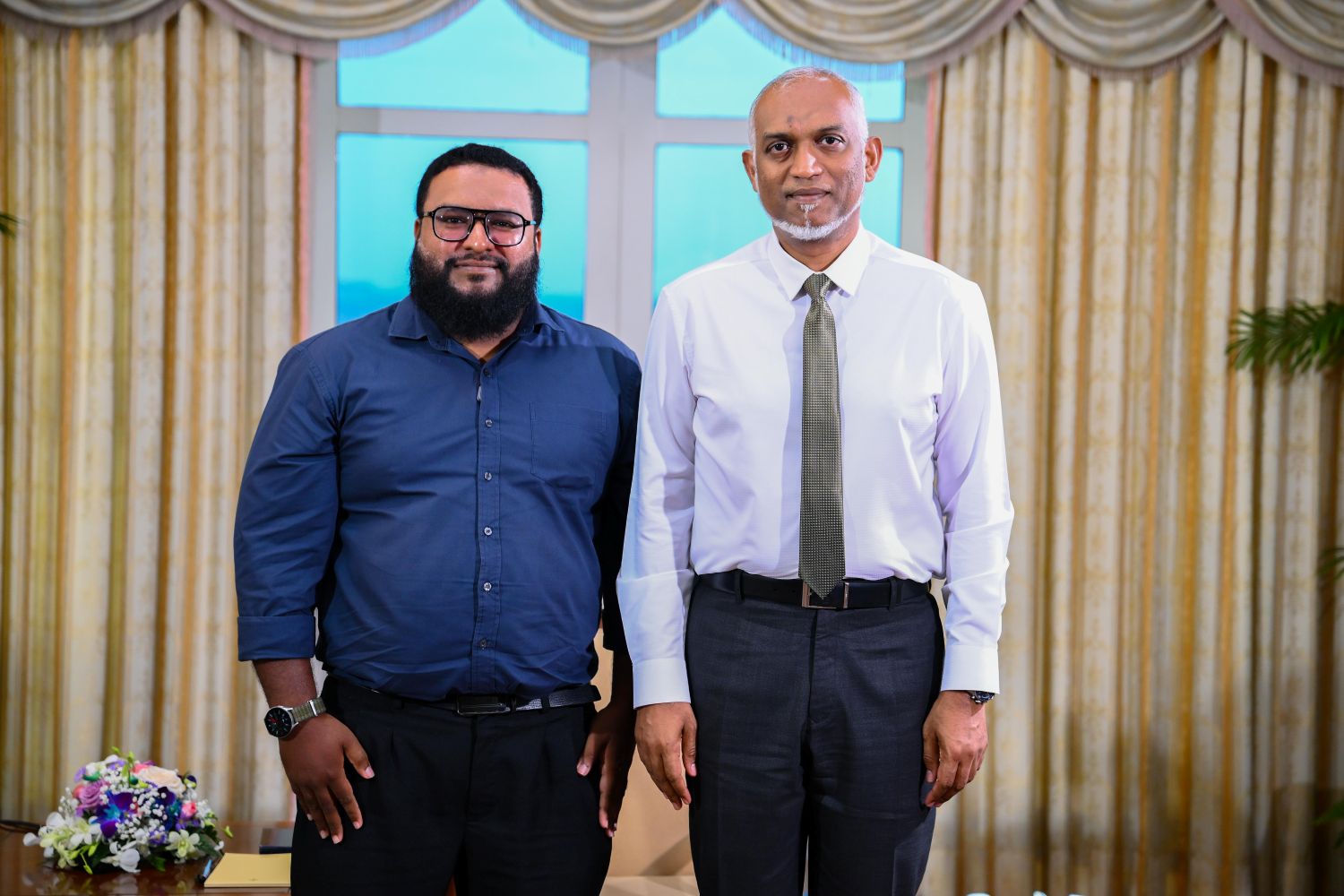
Javaabu Co-Founder and CEO Mohamed Jailam met with President Dr. Mohamed Muizzu during Episode 12 of Rayyithunge Adu (Voice of the People), a programme aired on Television Maldives (TVM) on 12 November 2026. The discussion, recorded on 13 October 2026, provided an opportunity for Jailam to highlight key challenges faced by small and medium-sized enterprises (SMEs) in the Maldives' technology sector and propose practical measures to support the country's growing digital economy.
During the conversation, Jailam raised concerns surrounding international payment gateways, delayed government payments and tax obligations, access to foreign currency for essential technology services, and opportunities to develop a sustainable local digital content economy. He emphasised that addressing these challenges would enable Maldivian technology companies to expand internationally, attract investment, and contribute more effectively to national economic growth.
Enabling International Payments for Maldivian Technology Companies
One of the primary issues Jailam highlighted was the difficulty Maldivian businesses face in receiving payments from international customers. While the local software industry is experiencing significant growth, particularly with advancements in artificial intelligence, limited access to international payment platforms continues to restrict opportunities for exporting software and digital services.
Jailam proposed expanding access to the existing Bank of Maldives (BML) payment gateway beyond the tourism sector, enabling businesses across different industries to accept international payments. He explained that making greater use of locally available payment infrastructure could help Maldivian companies reach global markets while bringing additional foreign currency into the country.
Addressing Government Payment Delays and Tax Obligations
Jailam also highlighted the cash flow challenges experienced by SMEs when payments for completed government projects are delayed, while tax obligations remain due. Drawing from Javaabu's own experience, he explained how outstanding government invoices can create significant financial pressure for smaller businesses that must simultaneously manage salaries, operational expenses, and tax payments.
He suggested introducing administrative mechanisms that would allow businesses to offset tax liabilities against outstanding government payments, access short-term credit against approved payments, or receive reasonable extensions until government invoices are settled. Such arrangements, he noted, would help businesses remain financially sustainable without requiring additional government expenditure.
Improving Access to Foreign Currency for Digital Services
Another important concern was the difficulty technology companies face in making international payments for essential digital infrastructure. Jailam explained that companies developing AI-powered services, including DhivehiGPT, depend on overseas providers for cloud hosting, AI services, and other technology subscriptions.
He noted that disruptions to these payments could directly affect the availability of locally developed digital products. Jailam proposed more accessible payment arrangements for businesses purchasing essential services from verified international vendors, enabling Maldivian technology companies to maintain their operations and continue creating economic value locally.
Supporting Local Digital Content and Creative Industries
Jailam also discussed the importance of building a local digital content economy that allows Maldivian creators to earn income through homegrown platforms. He highlighted Javaabu's work on an AI-powered platform designed to help writers publish and monetise their stories.
Through initiatives such as DhivehiVaahaka, Javaabu has been exploring ways to make Dhivehi literature more accessible to younger audiences while creating new income opportunities for local writers. Jailam had previously discussed the future of Dhivehi publishing and AI in a public conversation about local digital content.
He emphasised that government recognition, facilitation, and support for locally developed platforms could strengthen the creative economy, reduce dependence on international platforms, and help retain more economic value within the Maldives.
President Announces Measures Addressing Key SME Concerns
Several of the challenges raised during the discussion were subsequently addressed in announcements made by President Dr. Mohamed Muizzu at the Maldives Expo 2026 awards ceremony on 24 October 2026, eleven days after the programme was recorded.
In his address at Maldives Expo 2026, the President outlined a series of measures intended to improve the business environment for SMEs, including initiatives directly relevant to the issues Jailam had highlighted.
-
International payment gateway access: The President announced that Maldivian SMEs would be able to receive US dollar payments from overseas customers through the BML payment gateway from 1 November 2026.
-
Overseas business payments: The President announced arrangements to enable businesses to use foreign currency earnings for payments towards goods and services purchased from abroad.
-
Tax offsets against government dues: The President announced that arrangements had been finalised to allow SMEs to offset outstanding government payments against taxes owed to the state.
-
Additional SME support: Other announced measures included raising the mandatory GST registration threshold from MVR 1 million to MVR 1.5 million, establishing SME tax-free zones, and introducing import duty concessions for production-related raw materials.
The announcements represented encouraging developments for local businesses, particularly technology companies that depend on international payment infrastructure and timely government payments. The Ministry of Economic Development, Transport and Trade subsequently confirmed that BML had opened applications for its expanded payment gateway service, allowing eligible SMEs to apply to receive payments in US dollars from international customers.
While the wider implementation and practical impact of these measures will become clearer over time, the announced initiatives address several of the administrative and financial challenges discussed by Jailam during his meeting with the President.
Javaabu extends its sincere appreciation to President Dr. Mohamed Muizzu for listening to the concerns of local technology businesses and introducing policy changes that address several of the challenges highlighted during the discussion. These measures represent a significant step towards creating a more supportive business environment for SMEs, and Javaabu looks forward to their effective implementation. The company remains committed to supporting the government's Maldives 2.0 vision and contributing to the growth of the country's digital economy.
A Shared Vision for the Maldives' Digital Economy
Throughout the discussion, Jailam expressed his support for the government's Maldives 2.0 vision and highlighted the readiness of local technology companies to contribute to the country's digital transformation. He emphasised the potential for Maldivian software and AI products to compete internationally, attract foreign investment, and create new sources of revenue for the national economy.
Jailam had previously accompanied President Dr. Mohamed Muizzu on his official visit to Estonia in January 2025, as part of a Maldivian ICT delegation exploring the country's advanced digital ecosystem. During the visit, the delegation engaged with technology institutions, startup organisations, and digital governance experts, gaining valuable insights into how public-private collaboration can drive digital transformation. The experience further reinforced Javaabu's commitment to supporting the Maldives 2.0 vision and contributing to the development of a stronger local technology industry.
President Dr. Mohamed Muizzu acknowledged the importance of the issues raised during Rayyithunge Adu and expressed his commitment to working towards practical solutions that would make it easier for young entrepreneurs and SMEs to grow.
The discussion highlighted the importance of continued engagement between policymakers and the local technology industry. By addressing practical barriers to business operations and supporting homegrown innovation, the Maldives can create an environment where local technology companies are better positioned to develop globally competitive products and contribute to a stronger, more diversified digital economy.
Read More